Eco-Friendly Living in a Tiny Home With Children
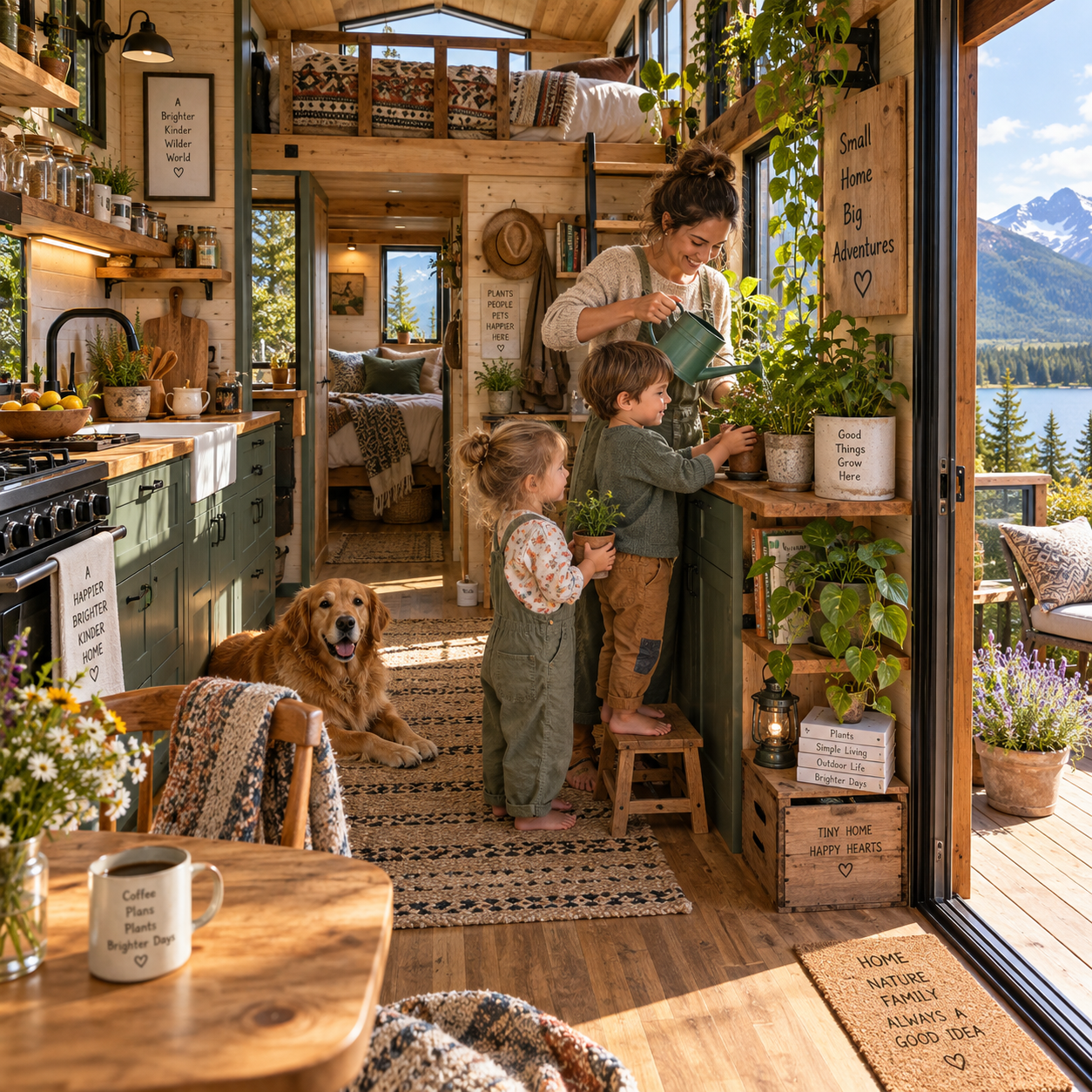
Living in a tiny home can make some sustainable choices easier: there is less space to heat, fewer places to accumulate belongings, and often a closer connection to the outdoors. But a small footprint does not automatically make a household eco-friendly. The home’s energy source, construction materials, water system, travel patterns, and daily routines all matter.
With children, sustainability also has to work on a rainy Tuesday, during a growth spurt, and when everyone needs a little privacy. The most useful approach is to make environmental choices that support family comfort and safety rather than treating them as tests of discipline.
Start with realistic family sustainability goals
Eco-friendly living in a tiny home works best when a family chooses a few practical habits and improves them over time. Set goals around your actual energy, water, shopping, and waste patterns instead of aiming for a perfect low-impact lifestyle.
Start with a simple household check-in. For a week, notice which appliances run most, where water gets wasted, what fills the rubbish bin, and which purchases your family repeats. You might find that shorter showers are easy to adopt, while buying every item in reusable packaging is unrealistic where you live. That is useful information, not a failure.
Choose one or two changes that fit your budget and routine. A family might set a goal to turn off lights in unused zones and plan three meals a week around food already in the fridge. Review the goals after a month. If a habit creates regular conflict or extra work, adjust it.
Think in terms of impact, effort, and fit: prioritise changes that reduce a meaningful resource use, are affordable to maintain, and suit your children’s ages. Tiny-home living involves trade-offs. A compact appliance may save space but use more energy per load; a large water-saving upgrade may be valuable but not affordable right now. Small, repeatable improvements add up without making family life feel like a constant restriction.
Make a small space work for children
Children can have enough room in a tiny home when the layout supports flexible activities, predictable storage, and time outside the home. The aim is to make everyday tasks easy to start and put away, while preserving some space for rest and privacy.
Create flexible zones rather than assigning every activity a permanent footprint. A table can be a meal space, craft station, and homework desk; a bench with a lid can store toys and serve as seating. Multi-purpose furniture helps, but it should be stable, easy for children to use, and safe to climb around. Avoid heavy pieces that need frequent moving if that turns every transition into a chore.
Give each child a clearly defined, reachable storage area, even if it is one drawer, basket, or shelf. Use open bins for daily toys and rotate less-used items into a higher cupboard. A small shared library or toy box can encourage cooperation, but children also benefit from having a few belongings that are theirs alone.
- Keep frequently used clothes, school items, and play materials within children’s reach.
- Use a short evening reset, such as returning toys to labeled baskets before bedtime.
- Protect a quiet corner for reading, calming down, or private conversation.
- Plan for growth: adjustable shelves and furniture can outlast a fixed child-sized setup.
Family-friendly storage should not block exits, ventilation, or access to safety equipment. In a compact home, clear walkways matter more than squeezing in one extra container. A small floor plan can feel generous when items have a home and children know how to use it.
Reduce energy use without sacrificing comfort
To reduce energy use in a tiny home, improve the building envelope first, then use daylight, ventilation, and efficient appliances thoughtfully. Comfort matters: a cold, damp, or overheated home is not a sustainable solution for a family.
Good insulation, weather sealing, and suitable windows can reduce heat loss and drafts, though the right choices depend on climate and how the home is built. If you own the home, ask a qualified professional about moisture control and ventilation before adding insulation or sealing gaps. In a rental or a home where renovations are limited, use curtains, door seals where appropriate, and sensible thermostat settings.
Make natural light and ventilation part of the daily rhythm. Open blinds when sunlight can brighten a room, and air out the home when outdoor conditions allow. In hot weather, shade windows before the sun heats the interior; in cold or humid conditions, brief ventilation may be preferable to leaving windows open for long periods. Follow local advice for smoke, pollution, and extreme temperatures.
Choose appliances for actual family use, not just their small size. Check energy labels where available, run full loads when practical, and use cold-water washing when it suits the fabric and detergent. A compact washer can save space but may require more frequent loads. Solar panels or a high-efficiency heating system can lower emissions in some settings, yet upfront costs, roof suitability, local incentives, and maintenance should guide the decision.
Comfort is part of efficiency: a well-ventilated, appropriately heated home supports sleep and health. Avoid blocking vents with storage or relying on unsafe heaters. For technical upgrades, use qualified installers and follow the manufacturer’s instructions.
Save water and cut household waste
Families can save water and reduce waste by making everyday routines easier to follow: fix leaks, use water efficiently, plan food, and keep reusable items accessible. A few simple systems usually work better than a complicated zero-waste rulebook.
For water conservation, repair dripping taps promptly and install efficient fixtures when replacement is due. Children can turn off the tap while brushing their teeth, and family members can take showers that are comfortable but not unnecessarily long. A small timer or a favorite short song can help younger children understand the routine without turning bath time into a race.
Follow local guidance for greywater, rainwater collection, and composting. These systems can reduce demand or landfill waste, but they need suitable plumbing, maintenance, and safe handling. Never reuse water in ways that create sanitation risks, and do not assume a setup is permitted in every area.
For low-waste living, keep a few reusable bottles, lunch containers, and cloth bags where the family will remember them. Plan meals around a short shopping list and store leftovers where children can see them. A small compost caddy can help if collection or composting is available; otherwise, careful portioning and food storage may prevent more waste with less effort.
- Put recycling and rubbish bins side by side with clear labels.
- Choose washable cloths for routine spills, while keeping disposable supplies for situations that need them.
- Use up art materials and school supplies before buying replacements.
- Donate or pass along clean, usable children’s items when they no longer fit.
In a tiny home, waste sorting can quickly take over valuable floor space. Use a compact bin system and empty it on a regular schedule rather than storing recyclables indefinitely.
Choose durable, safer materials and products
Choose materials and household products that are durable, maintainable, and suitable for children’s ages. A lower-impact product is not a good choice if it breaks quickly, is hard to clean, or creates a safety hazard.
When furnishing or renovating, consider reclaimed wood, responsibly sourced timber, recycled-content materials, and low-emission finishes where suitable. Check the product’s care requirements and ask what happens when it wears out. Durable flooring that can handle muddy shoes may be a better family choice than a delicate surface that needs frequent replacement.
Safety comes before a sustainability label. Secure tall furniture, keep cords and cleaning products out of reach, use age-appropriate sleep spaces, and avoid sharp edges or unstable climbing routes. In a small room, a loft bed may free floor space, but it is not right for every child; consider age, sleep habits, access, and fall risk before choosing one.
Buy fewer items when that makes sense, but do not treat secondhand as automatically safe. Inspect used furniture and toys for damage, missing parts, recalls, and age suitability. For new products, follow assembly and use instructions, and check relevant safety guidance in your country. Low-VOC or low-emission claims can be helpful, but product labels vary, so look for specific information rather than relying on broad green language.
Longevity is a practical sustainability test: can the item be repaired, cleaned, adapted, or passed on? Spending more may be worthwhile for a frequently used piece, but families on a tight budget can also choose sturdy secondhand items and replace worn goods only when needed.
Make outdoor time and sustainable habits part of family life
Outdoor time helps children stay active and connect with nature, while simple household jobs let them take part in sustainable routines. These activities do not require a yard or expensive equipment; local parks, balconies, and short neighborhood walks can all help.
Build outdoor play into the week in ways that fit your location and weather. A nearby playground can provide room to run when the tiny home feels crowded. Children can look for seasonal changes, care for a few container plants, or help gather leaves for a nature journal. Outdoor time is valuable, but it is not a substitute for enough indoor rest, quiet, and safe play.
Make everyday sustainability visible and age-appropriate. Young children can put reusable bottles by the door, sort clean paper, or help water plants. Older children can plan a low-waste snack, compare energy labels with an adult, or help track the family’s electricity use. Explain the reason behind each routine in plain language: turning off an empty room’s light saves electricity, and using leftovers helps food go further.
Rotate responsibilities so the work does not fall on one child or adult. Keep tasks short, demonstrate them, and accept that children will sometimes forget. A family routine succeeds when it is easy to restart after a busy day, not when it depends on everyone getting everything right.
Frequently asked questions
How can children have enough room in a tiny home?
Use flexible zones, accessible storage, and furniture that serves more than one purpose. Keep walkways clear and make room for both shared activities and a small private retreat, such as a reading nook or personal drawer. Regular outdoor play can add variety, but children still need comfortable indoor space for rest and quiet.
What are simple ways for a family to save water?
Fix leaks, turn off taps while brushing teeth, choose efficient fixtures when replacing old ones, and use the washing machine with practical full loads. Set a calm, consistent shower routine rather than relying on strict limits that create stress. Follow local rules before installing rainwater or greywater systems.
How can we reduce waste with young children?
Make reusable bottles and lunch containers easy to reach, label recycling bins, plan meals around food you already have, and repair or pass along items when it is safe to do so. Keep the system simple enough for children to use. Preventing waste is useful, but convenience and hygiene still matter.
How do we balance eco-friendly choices with a limited budget?
Start with low-cost habits, such as reducing food waste, using daylight, and switching off appliances when appropriate. Replace items only when needed, consider safe secondhand furniture, and compare long-term maintenance costs before buying. Expensive upgrades can wait; improvements should fit the family’s finances and housing situation.
Eco-friendly family life in a tiny home is built through choices that hold up in ordinary use. Prioritise a safe, comfortable layout, reduce resource use where it is practical, and let children participate in manageable ways. The right system is the one your household can keep using as needs change.